Signals of Change: The “Experiential Reset” at Milan Design Week 2026
Milan Design Week 2026 signaled a fundamental shift: the Experiential Reset. Moving away from "Instagrammable" spectacles, the design world is pivoting toward sensory sanctuaries and "Heritage as Future-Tech."
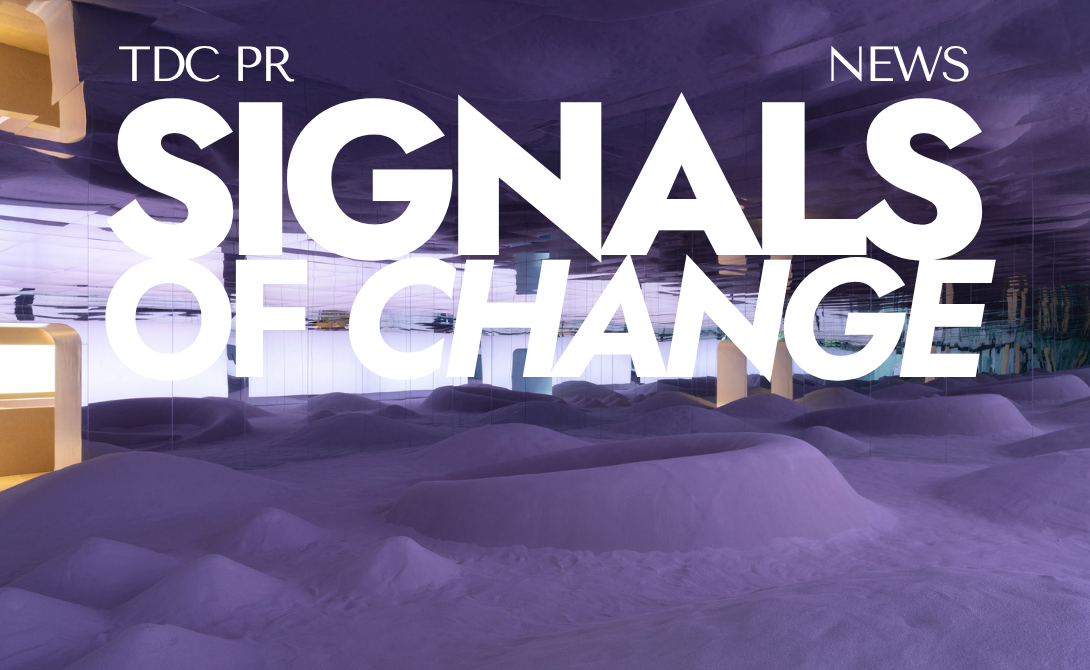
For decades, Milan Design Week has been the ultimate barometer for the “new.” But in 2026, the signal didn’t point toward a new aesthetic or a singular “it” product. Instead, it pointed toward a fundamental revaluation of the human experience.
As the world’s largest stage for creativity, Milan Design Week 2026 saw over 316,000 visitors descend upon the city, moving through installations that spanned historic 15th-century cloisters and industrial railway tunnels. What they found was a city-wide rejection of digital noise in favor of what we are calling the Experiential Reset—a strategic move by brands to prioritize sensory depth, material transparency, and long-term community legacy over temporary spectacle.
The Signal: The Sensory Sanctuary
The most resonant signal from Milan was a definitive digital detox. After years of “Instagrammable” moments designed solely for the lens, many brands are now designing for the nervous system. We are seeing a pivot from “showing” to “feeling,” where technology acts as an invisible thread rather than a distracting interface.
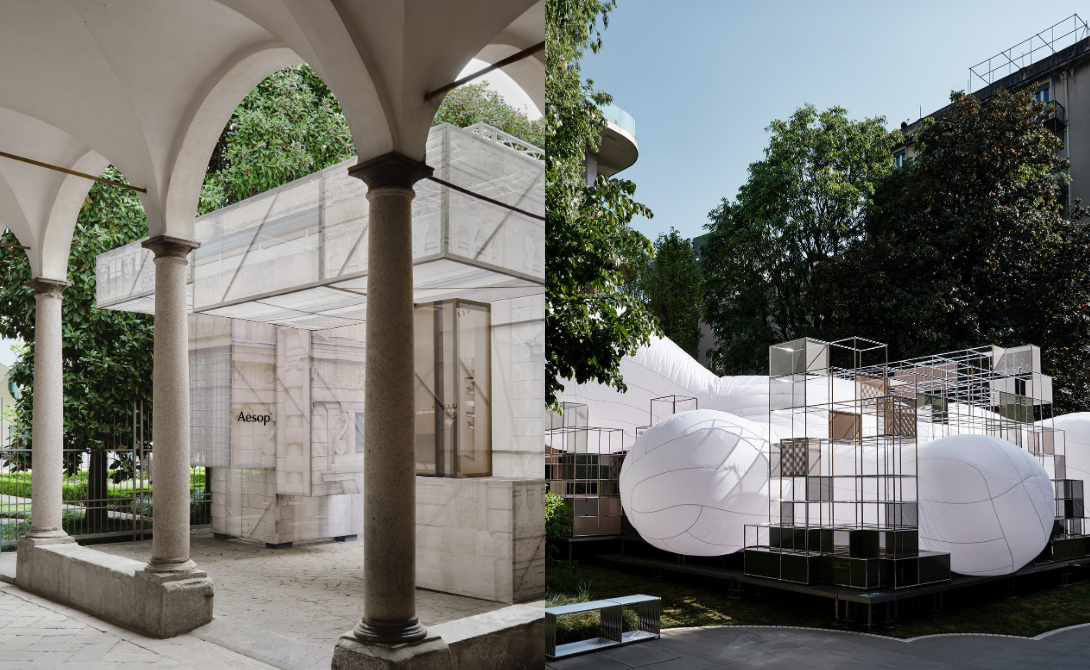
Aesop’s “The Factory of Light”: Rather than a standard product display, Aesop’s Apose lighting debut was anchored in a masterclass of the human element. Visitors were “looked after” from the refreshments in the queue through to a ritualistic hand-washing that grounded the experience. The journey culminated in a misted cathedral of 16,000 amber bottles, creating a ceremonial atmosphere that successfully anchored a new design category in deep brand ritual.
USM x Snøhetta: The “Renaissance of the Real” utilized the Haller modular system to support inflatable “breathing” bubbles as a literal digital detox. The experience was a choreographed sensory recalibration; visitors were offered a warm towel upon entry and led along a quiet garden path to strip away the city’s overstimulation. Inside, the digital world was replaced by a landscape of diffused light and curated soundscapes, providing a tactile sanctuary for physical reconnection.
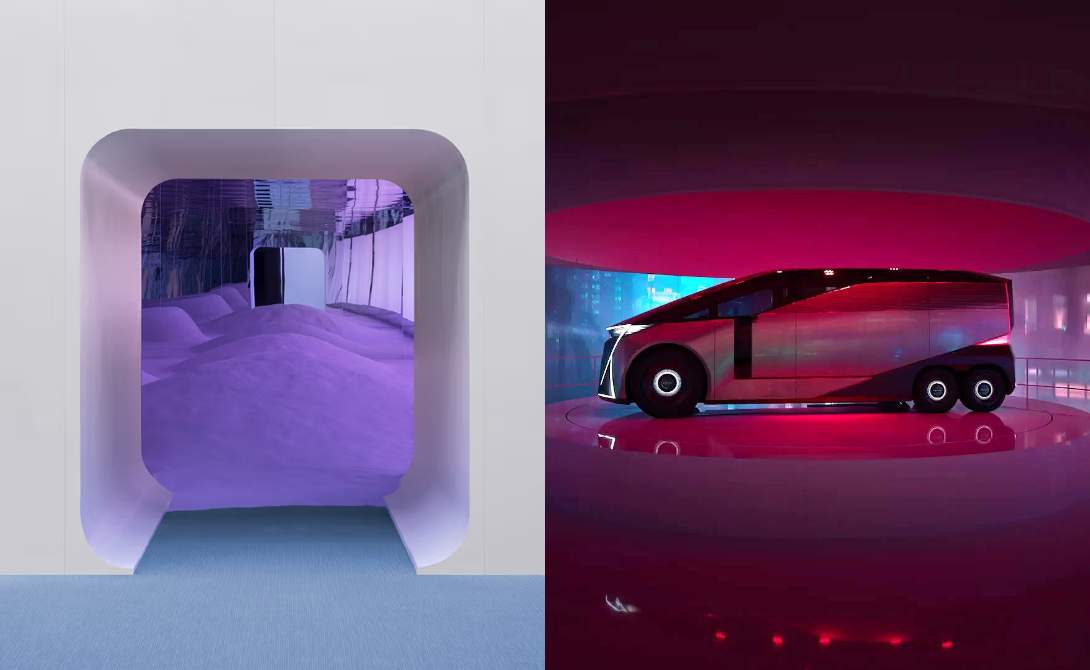
ASICS’ “Kinetic Playscape”: Transforming Garage 21 into a retro-futuristic “research institute,” ASICS prioritised the psychological effects of motion over the product itself. A five-part spatial journey; ranging from grounded material zones to mirrored sandboxes, was designed to prove that just 15 minutes of movement can measurably shift the mind. By trialing the GEL-KINETIC 2.0 within this playground, ASICS turned its “Sound Mind, Sound Body” philosophy into a lived sensory reality.
Lexus’ “SPACE”: Reimagining its flagship LS Concept, Lexus transitioned the “S” in its name from Sedan to Space. While the main installation provided a 360-degree vision of future mobility, the “Discover Together” series invited four creative teams—including Random Studio, Guardini Ciuffreda, and Kyotaro Hayashi— to transform the rear-seat into a blank canvas for human potential. From bio-responsive light pods that pulse with a visitor’s breathing to digital tea rooms and fiber-optic “wearable space,” the installation used human gesture and biometrics to define future mobility. By merging artisanal Japanese Kumiko craft with high-fidelity tech, Lexus proved that future luxury is about emotional stillness rather than just physical transit.
The Evidence: Heritage as Future-Tech
Innovation in 2026 was found by looking backward. “Heritage” was no longer a nostalgic aesthetic but a viable technology for a sustainable future. Brands utilised the tension between historic Milanese architecture and futuristic design to create high-fidelity “moments” that felt both timeless and urgent.
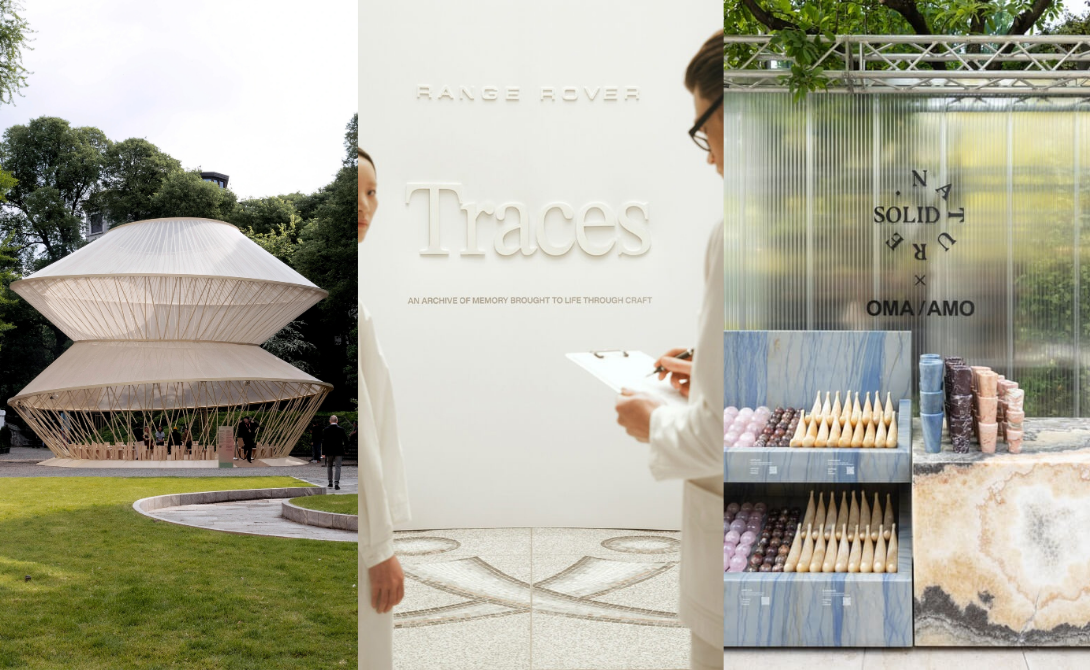
ACDF’s “When Apricots Blossom”: The Uzbekistan Art and Culture Development Foundation translated the nomadic philosophy of the yurt—portability and circularity—into a functional latticed pavilion at Palazzo Citterio. Beyond the architecture, the space acted as a communal classroom for living heritage, featuring objects from twelve international and Uzbek designers alongside live workshops. By inviting visitors to engage in bread-stamp making and tassel weaving, ACDF filled a cultural “knowledge gap,” moving the audience from passive observers to active participants in the preservation of ancient craft.
Range Rover’s “Traces”: Set within the historic Palazzo Clerici, this three-part sensory journey explored the brand’s “bespoke” service through the lens of memory and materiality. By integrating embroidery art and curated Scottish craft, the installation successfully reframed vehicle personalisation. It moved the narrative away from a purely technical process toward a deeply emotional, multi-sensory experience rooted in artisanal legacy.
Solid Nature x OMA “IL SONNO”: At ME Milan Il Duca, OMA remodelled the familiar supermarket setting into a surreal stone supermarket. By displaying everyday items on millions-of-years-old stone shelves, the installation used geological permanence to force a re-evaluation of value and durability in a disposable world. The contrast highlighted natural stone as a sustainable, authentic material rooted in an ancient sense of value.
The Shift: From Temporary Spectacle to Strategic Longevity
The most significant shift in 2026 was the move away from the “build and burn” pop-up model. Instead, leading brands and curators are investing in ideas and infrastructures that live on long after the shutters come down in Milan.
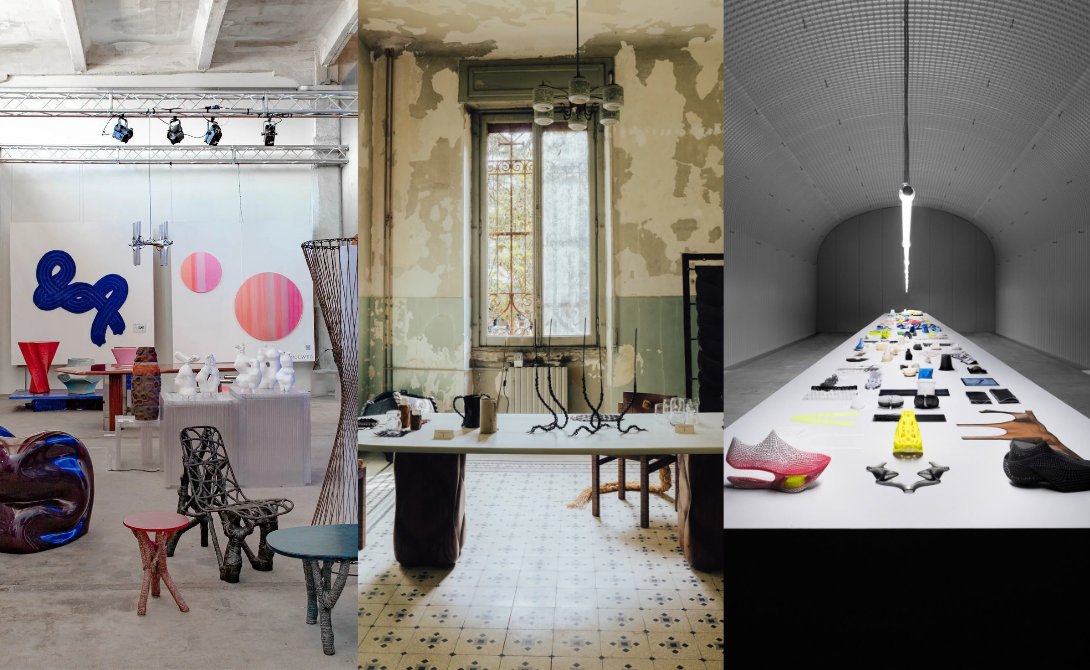
The Decade-Long Ecosystem (Isola): Celebrating its 10th anniversary, the Isola Design Festival has evolved from a local event into a permanent global network. By fostering an independent ecosystem where emerging talents return as established voices, Isola has proven that influence is measured by the decade of talent it helps establish.
The Institution as a Roving Landmark (Alcova): Now a permanent “must-see” fixture of the week, Alcova took over iconic locations like the Baggio military hospital and Villa Pestarini. Their strategy isn’t about physical permanence in one spot, but about a permanent commitment to re-contextualizing architecture—using the “patina” of historic spaces to give emerging ideas a sense of institutional weight and longevity.
Permanent Creative Infrastructure (Nike x Dropcity): Nike’s “Air Lab” at Dropcity moved beyond the “circus that comes into town and leaves”. By housing robotic arms and industrial machinery in a permanent design center, Nike transitioned from being a spectator of the week to a permanent benefactor for the local design community.
Modular Legacies (ACDF): Even the physical structures are becoming smarter. The Uzbekistan Art and Culture Development Foundation (ACDF) utilized a modular, reusable pavilion architecture. This Nomadic-inspired philosophy ensures that while the event ends, the physical components are designed for a second life, reflecting a commitment to circularity rather than disposable spectacle.
What this means for brands
The noise is louder than ever, but the brands that “won” Milan Design Week 2026 didn’t just build bigger—they built deeper.
- UX begins at the door: As seen with Aesop and USM, the premium experience starts in the queue. Move beyond clunky digital forms in favor of frictionless, human greetings—whether it’s being “looked after” with refreshments or receiving a warm towel to reset the senses.
- Process is the Product: Audiences are increasingly interested in the “making”. Like Nike’s Air Lab, don’t just showcase a finished object; reveal the grit, the machinery, and the trials of the journey. Transparency builds an intellectual relationship that a static showroom cannot match.
- Leave a “Strategic Cookie”: Move beyond the standard tote bag in favor of mementos that incentivize a long-term relationship. Aesop’s store-gift cards turned a temporary installation into post-event footfall, while Nike’s permanent workshop transformed a “pop-up” into a lasting destination for the community.
At Milan Design Week 2026, the strongest signal was clear: if you want to stay ahead, you must first help your audience slow down.
Which signal from Milan Design Week 2026 do you think will have the longest-lasting impact on your industry—the return to sensory design or the move toward permanent community infrastructure?
Follow us on Instagram or LinkedIn for more weekly insights! Or get in touch if you have a Milan project in mind!