Beyond the installation: Building the complete brand experience at Milan Design Week
Milan Design Week isn't just about what you show. It's about what people take away.

Every April, Milan Design Week brings the global design community together to exchange ideas and explore what’s next. This includes architects, designers, brands and creatives all competing for the attention of the ever-discerning audience of global visitors. Yet even among the most ambitious exhibitions in the city, there is often one piece missing – the connective tissue that turns a striking visual installation, space or object into a truly human, emotional experience.
During Milan Design Week earlier this year, TDC gathered a cross-disciplinary group of creatives, spanning sound design, visual technology, performance art, and spatial design to explore that exact gap. Captured in our new short film, the conversation goes beyond what makes a clever activation and points to a new production model for brands looking to stand out at major design festivals and events in 2027 and beyond.
Turning the building into an instrument
As we explored in our article Signals of Change: The Experiential Reset, audiences are moving past pure visual spectacle in search of sensory depth and tangible connection. People don’t just want to look at a space or object anymore; they want to step inside a brand’s voice, interact with it, and feel the meaning behind the design.
Unlocking that requires moving away from siloed briefs and bringing different creative disciplines into the room from day one. When spatial design, visual technology, performance and sound are conceived together, they stop competing and start telling one holistic story. As our collaborators noted in Milan, every architectural space has the potential to be treated as an instrument, using spatial audio and choreography to make sophisticated set designs resonate, sing, and challenge perception.
Designing the emotional architecture, from the queue to the follow-up
A memorable brand experience isn’t a single moment in time. It’s an end-to-end journey that requires careful emotional architecture.
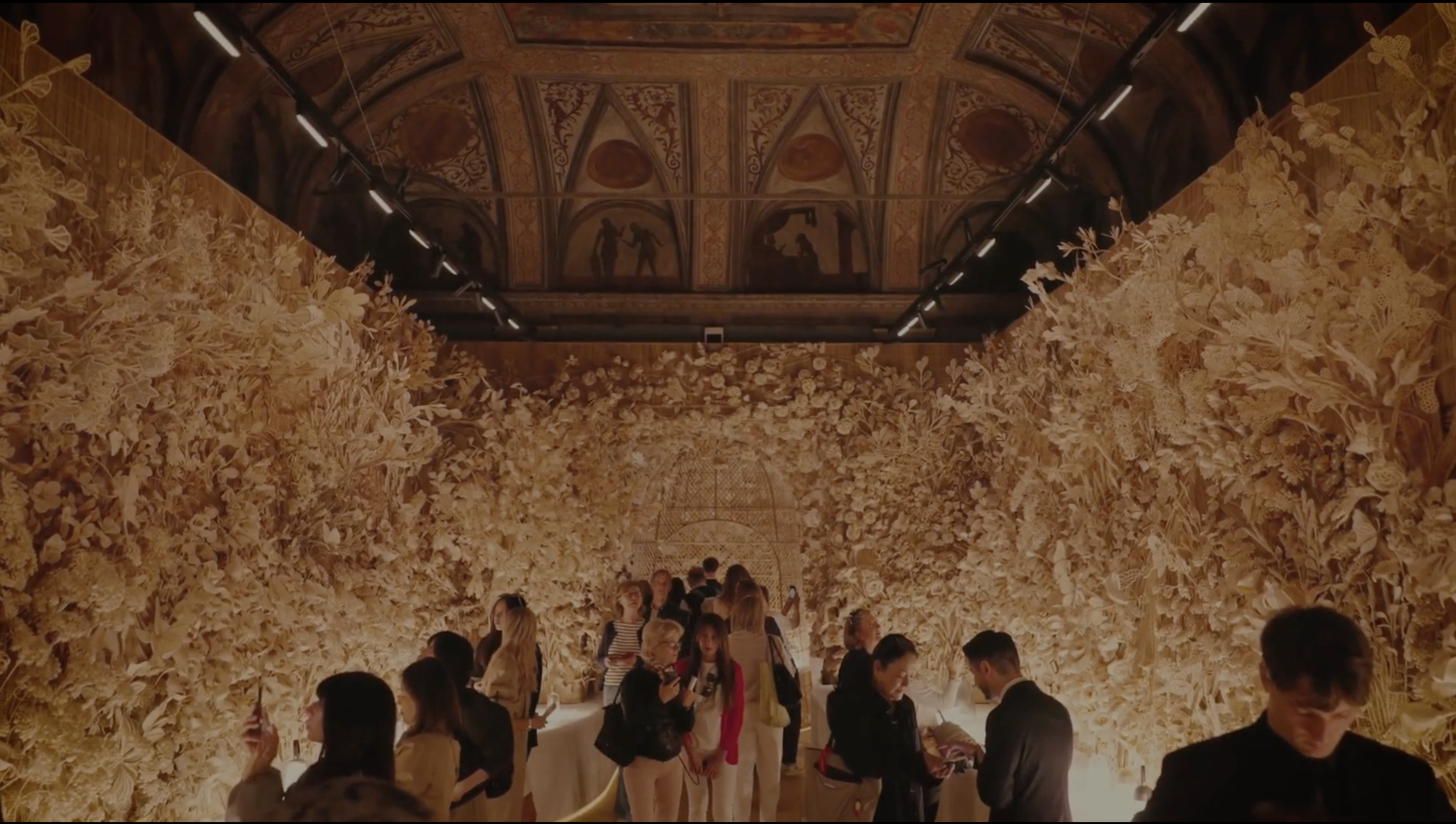
When a visitor queues for 20 or 30 minutes to enter an installation, the experience has already begun. How a brand handles registration, how it uses sound and interactivity to prime people in the queue, how visitors feel the moment they cross the threshold, and how the story continues after they leave are all part of the same narrative. Designing for that entire arc (rather than just the centrepiece inside the room) is what leaves an audience genuinely connected and still thinking about the brand days later.
A viewer should experience and be left with something conceptual but also emotional, to really connect with the brand and the concept.”
Valentino Zucchetti, Collision Unknown
What this looks like as a TDC production
For brands coming to TDC, this cross-disciplinary thinking isn’t just an editorial point of view, it’s our product. We act as a creative production partner with an ecosystem of talent capable of conceiving, building, and amplifying holistic brand worlds that deliver both emotional resonance and measurable commercial impact.
When we partner with a brand for Milan Design Week or any global cultural moments, our production model works on two integrated levels:
- Curated, multi-sensory production: We assemble and direct unconventional creative teams, pairing emerging designers and architects with the likes of digital artists, sound designers, choreographers, and visual technologists to build immersive, tangible environments that feel cohesive from the first touchpoint to the last.
- Global cultural amplification: We build the communications architecture around the physical space so the experience travels far beyond the venue walls, turning a localised installation into an international conversation.
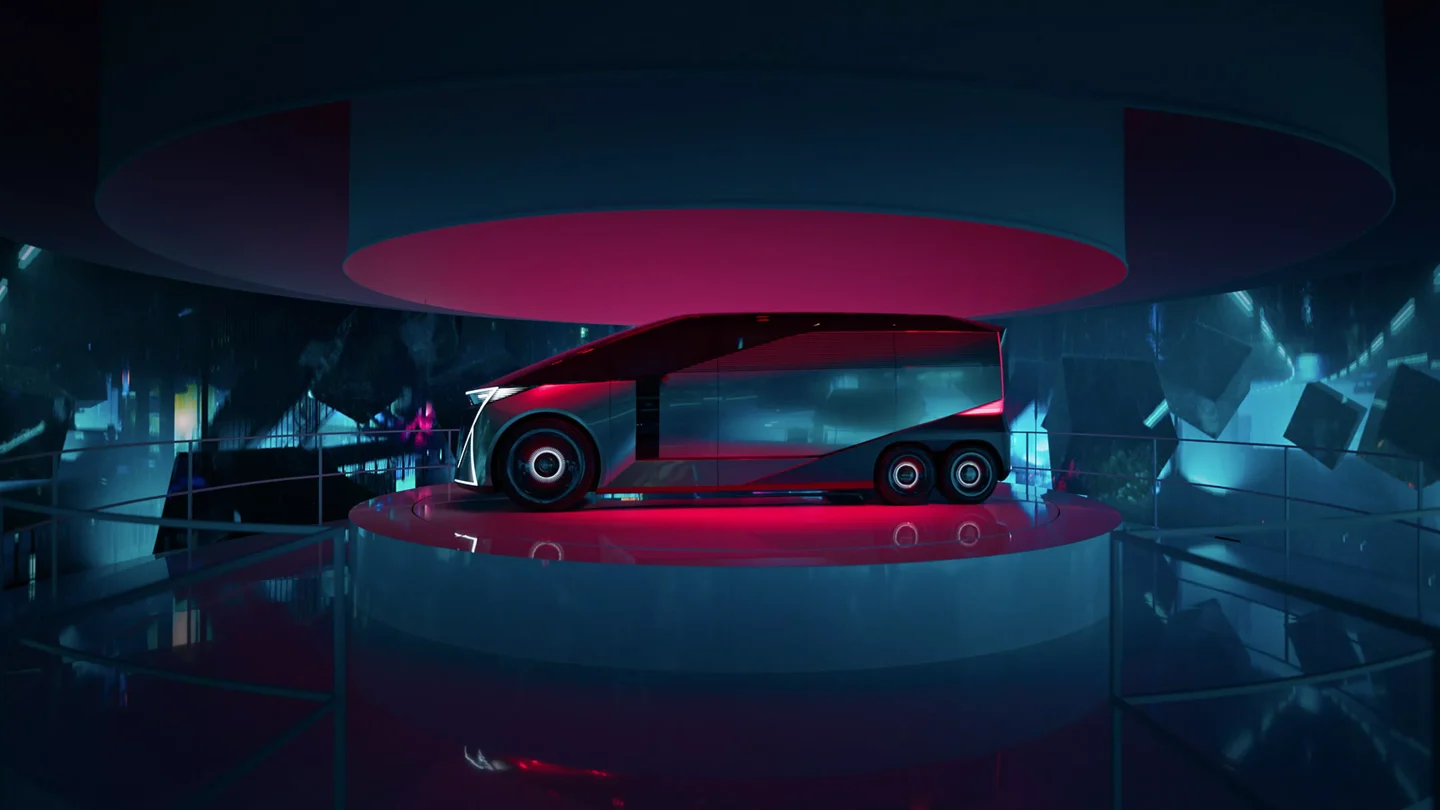
Take Lexus’s SPACE exhibition at Milan Design Week 2026. Exploring the future of luxury mobility, the immersive installation invited visitors to rethink the relationship between people, vehicles and their surroundings. To take that experience beyond Milan, TDC developed a global communications campaign bringing together international content creators, digital storytelling and an exclusive dining experience inspired by Japanese hospitality.
It’s a great example of how a physical experience can spark a much bigger conversation.
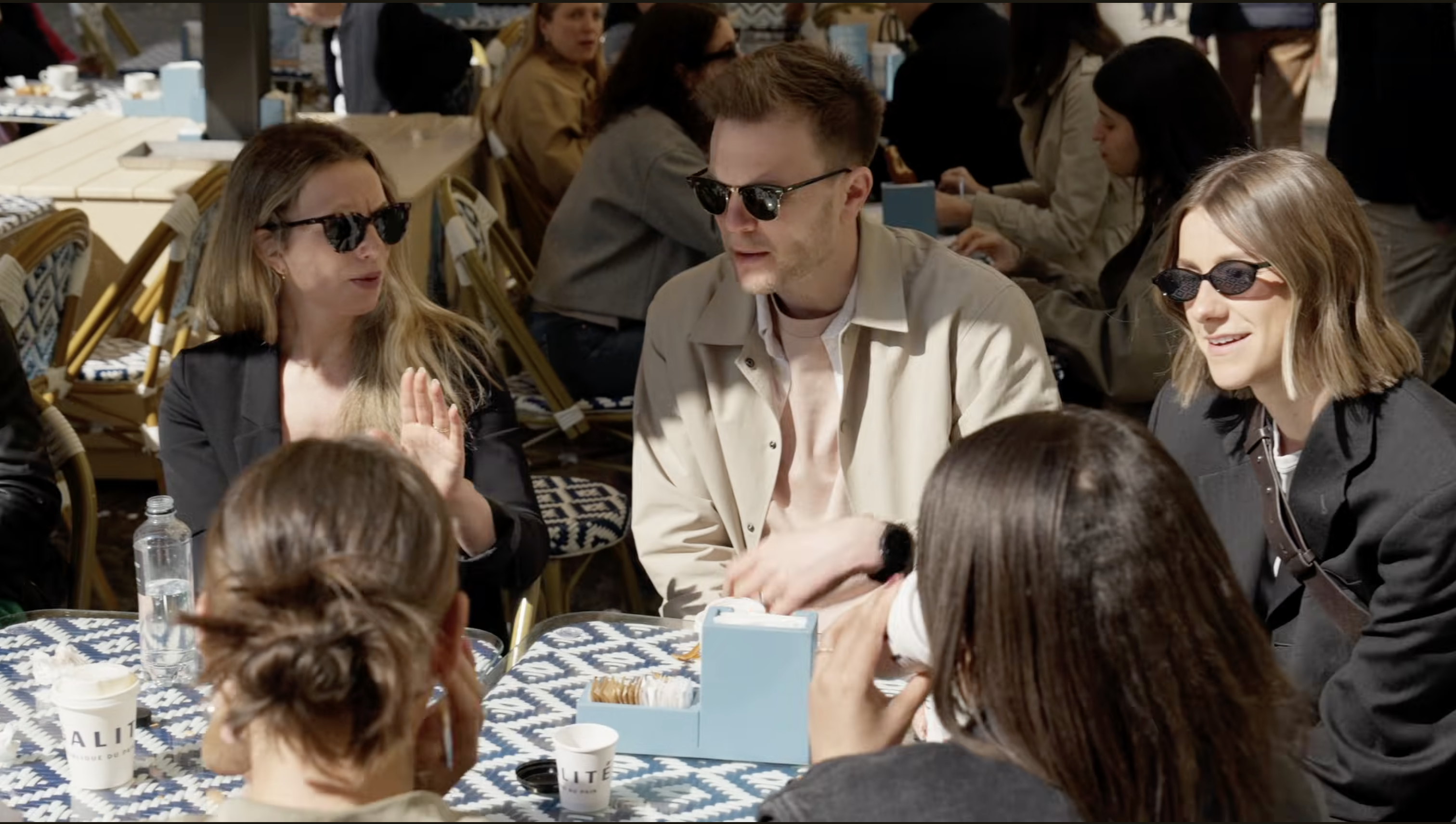
For SketchUp’s presence at Milan Design Week 2026, TDC coordinated a programme of exhibition visits, industry conversations and networking opportunities, bringing together creative professionals from across architecture and design.
Alongside this, the Milan Minute video series, produced in collaboration with Dezeen, captured perspectives from leading designers and architects across the city, sharing the ideas and conversations shaping the industry with audiences beyond Milan.
Both examples show how thoughtful programming and the right communications strategy can extend the impact of Milan Design Week, creating connections and content that continue to resonate after the event.
‘Events like Milan Design Week have the opportunity for brands to realise and establish their voice.”
Lucia Guest, Seymourpowell
Looking ahead to Milan 2027 and beyond
The opportunity at Salone del Mobile and across the global design calendar is wide open for brands willing to push past the expected. The activations that define 2027 won’t just be the ones that look good on a feed; they’ll be the ones that surprise people, engage every sense, and tell a complete story from beginning to end.
If you’re starting to plan your presence for Milan Design Week 2027 or other key event for your brand and want to explore how a cross-disciplinary production could bring your brand’s story to life, get in touch and let’s talk.